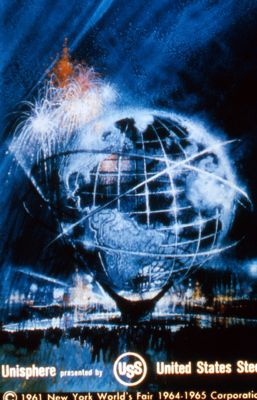
- Artist's rendering of Unisphere - Blue
- SOURCE: Commercial Transparency by © Copyright Photo Lab, Inc.
-
 |
|
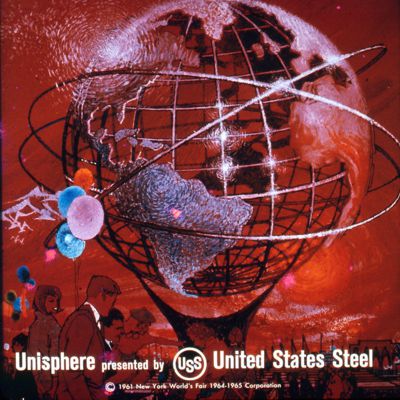
- Artist's rendering of Unisphere - Red
- SOURCE: Commercial Transparency by © Copyright Photo Lab, Inc.
-
 |
|
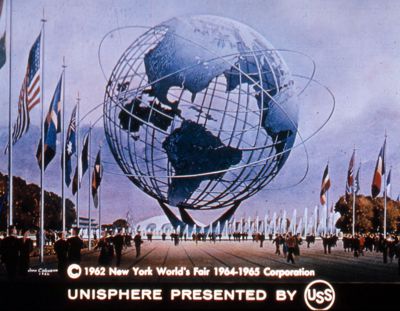
- Artist Weinrich's rendering of Unisphere
- SOURCE: Commercial Transparency by © Copyright Photo Lab, Inc.
-
 |
|
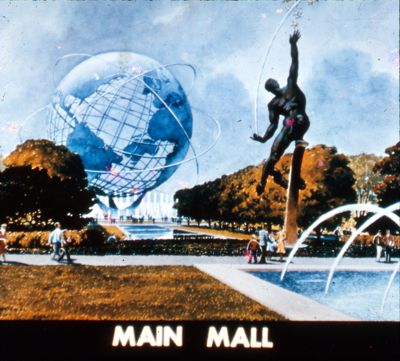
- Artist's rendering of the Main Mall with Unisphere & The Rocket Thrower
- SOURCE: Commercial Transparency by © Copyright Photo Lab, Inc.
-
 |
|
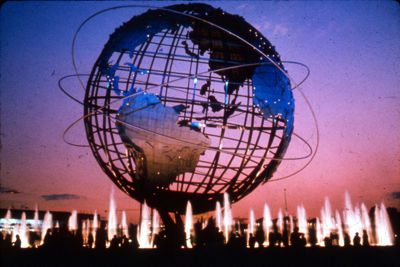
- Unisphere - Dusk
- SOURCE: Commercial Transparency by © Copyright Photo Lab, Inc.
-
 |
|
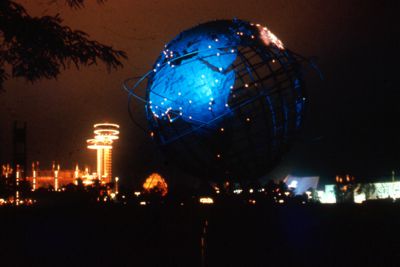
- Unisphere - Evening
- SOURCE: Commercial Transparency by © Copyright Photo Lab, Inc.
-
 |
|
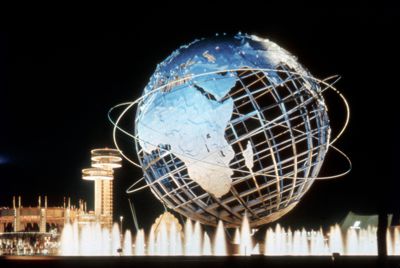
- Unisphere - Evening
- SOURCE: Commercial Transparency by © Copyright Photo Lab, Inc.
-
 |
|
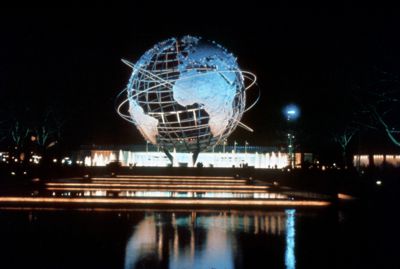
- Unisphere and the Pool of Reflections
- SOURCE: Commercial Transparency by © Copyright Photo Lab, Inc.
-
 |
|
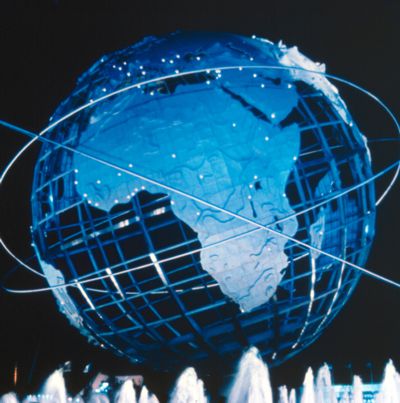
- Unisphere
- SOURCE: Commercial Transparency by © Copyright Photo Lab, Inc.
-
 |
|
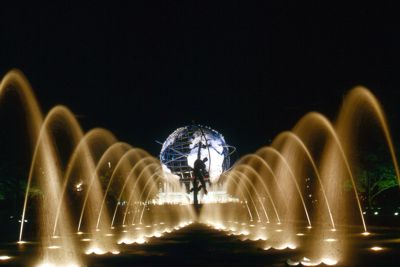
- Unisphere and Fountain of the Fairs
- SOURCE: Commercial Transparency by © Copyright Blackhawk Films/United Air Lines
-
 |
|
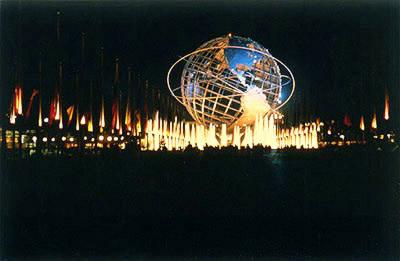
- Unisphere - Night
- SOURCE: Commercial Transparency by © Copyright Wolfe Worldwide Films
-
 |
|
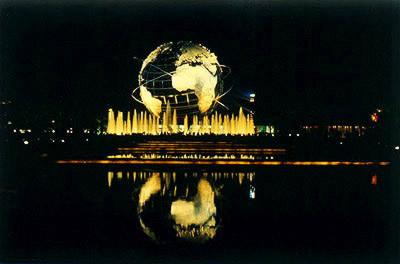
- Unisphere and the Pool of Reflections
- SOURCE: Commercial Transparency by © Copyright Wolfe Worldwide Films
-
 |
|
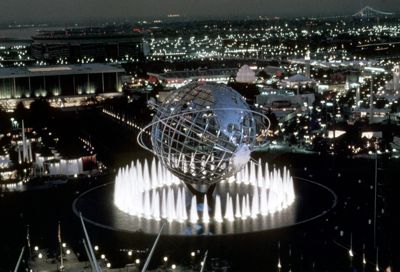
- Unisphere - Night
- SOURCE: Commercial Transparency by © Copyright Blackhawk Films/United Air Lines
-
 |
|
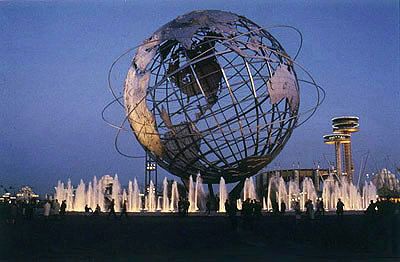
- Unisphere and Fountains of the Continents - Dusk
- SOURCE: Commercial Transparency by © Copyright Wolfe Worldwide Films
-
 |
|
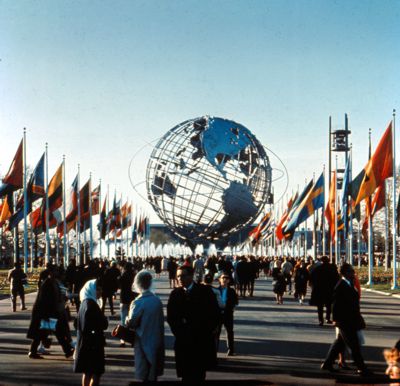
- Unisphere and the Court of Nations
- SOURCE: Commercial Transparency by © Copyright Photo Lab, Inc.
-
 |
|
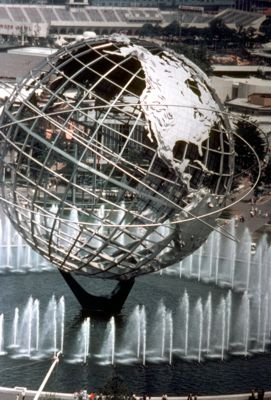
- Unisphere
- SOURCE: Commercial Transparency by © Copyright Blackhawk Films/United Air Lines
-
 |
|
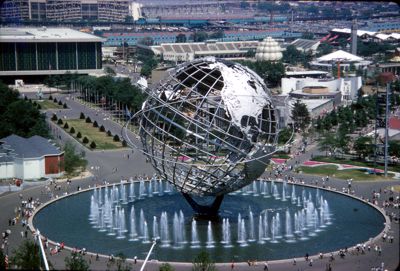
- Unisphere
- SOURCE: Commercial Transparency by © Copyright Blackhawk Films/United Air Lines
-
 |
|
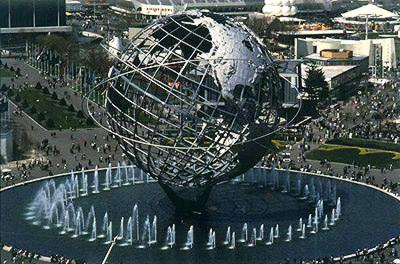
- Unisphere
- SOURCE: Commercial Transparency by © Copyright Wolfe Worldwide Films
-
 |
|
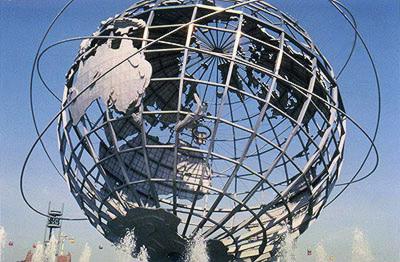
- Unisphere
- SOURCE: Commercial Transparency by © Copyright Wolfe Worldwide Films
-
 |
|
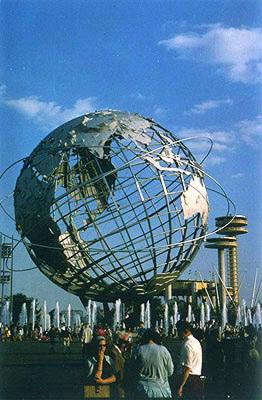
- Unisphere
- SOURCE: Commercial Transparency by © Copyright Wolfe Worldwide Films
-
 |
|
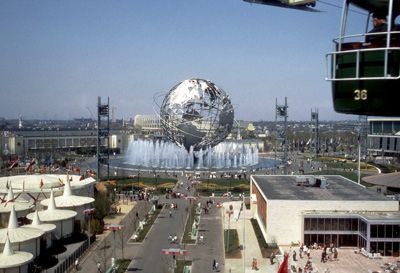
- Unisphere from the Swiss Sky Ride
- SOURCE: Commercial Transparency by © ROLOC Color Films presented courtesy Bradd Schiffman Collection
-
 |
|
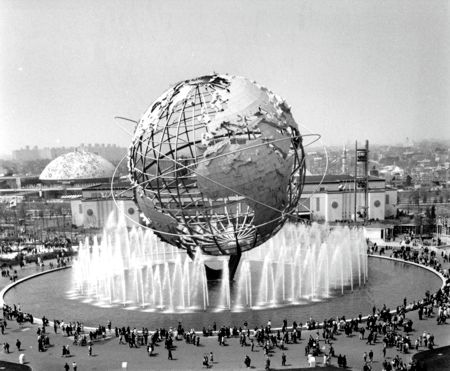
- Unisphere
- SOURCE: NY World's Fair Corporation publicity photo nywf64.com Collection
-
 |
|
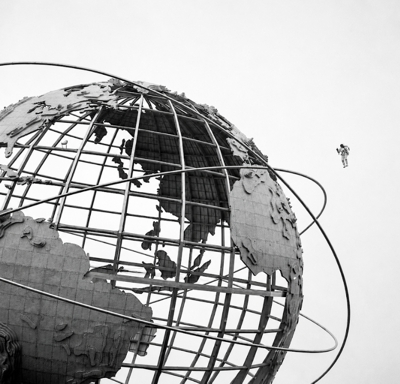
- Rocketman Cirlces the Unisphere
- SOURCE: Getty Images
-
 |
|
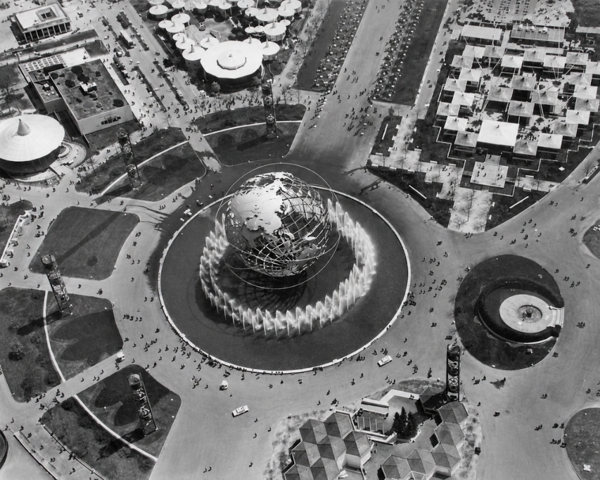
- Unisphere Aerial View
- SOURCE: NY World's Fair Corporation publicity photo
-
 |
|


